Physical Address
304 North Cardinal St.
Dorchester Center, MA 02124
Physical Address
304 North Cardinal St.
Dorchester Center, MA 02124

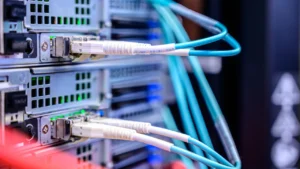
Cyber resilience has become a defining concern of the digital age. As more services, systems, and daily activities move online, the ability to maintain secure and reliable connectivity during disruptions is no longer optional. Cyber resilience refers not only to preventing attacks, but also to ensuring continuity, recovery, and stability when incidents occur. Within this framework, the role of fiber internet is becoming increasingly central.
Fiber internet is often discussed in terms of speed, but its contribution to cyber resilience extends far beyond performance. Its physical structure, reliability, and scalability make it a foundational component of modern digital security. As cyber threats evolve, infrastructure choices increasingly shape how well networks can withstand pressure.
Cybersecurity conversations often focus on software, encryption, and user behavior. While these elements are critical, they depend on the underlying infrastructure that supports consistent and secure data flow. Unstable or outdated networks introduce vulnerabilities that no amount of software protection can fully offset.
Resilient infrastructure reduces exposure to failure points. Fiber networks rely on light transmission through glass rather than electrical signals through copper. This difference offers inherent advantages, including reduced interference, lower signal degradation, and greater resistance to environmental disruption. These characteristics support continuity even during periods of heavy demand or attempted interference.
Network reliability directly affects cyber resilience. Frequent outages, latency spikes, or packet loss can disrupt security monitoring systems, delay updates, and weaken response capabilities. Fiber internet provides a level of consistency that supports the continuous operation of critical digital defenses.
Security tools such as intrusion detection systems, endpoint monitoring, and real-time analytics depend on uninterrupted data transmission. When networks falter, blind spots emerge. Fiber reduces this risk by offering stable performance even under high traffic loads, which is essential as data volumes continue to grow.
Fiber infrastructure also offers physical security benefits. Unlike copper cables, fiber does not emit electromagnetic signals that can be intercepted. This makes passive data tapping significantly more difficult. While no infrastructure is immune to physical threats, fiber raises the barrier for certain types of intrusion.
In addition, fiber networks are less susceptible to environmental interference. Weather-related disruptions, electrical noise, and signal degradation affect copper systems more severely. By reducing exposure to these risks, fiber supports more predictable and secure network behavior.
Modern cybersecurity relies on distributed architectures. Cloud computing, remote work, and decentralized applications all require fast and reliable connections between endpoints and centralized systems. Fiber internet enables these architectures by supporting high bandwidth and low latency communication.
Zero-trust models, which assume no inherent trust within a network, depend on continuous verification and authentication. These processes generate constant data exchange. Fiber infrastructure supports this demand without introducing bottlenecks that could undermine security protocols.
Cyber resilience is tested most during periods of stress. Large-scale cyber incidents, sudden shifts to remote work, or spikes in digital activity can strain networks. Fiber internet is designed to scale, allowing capacity to grow alongside demand.
During disruptive events, maintaining communication channels is critical. Businesses, public services, and individuals rely on connectivity to coordinate response and recovery. Regions with robust fiber infrastructure are better positioned to maintain continuity during both cyber and physical crises.
Cyber resilience is not only a global concern. It is deeply local. Cities and regions depend on connectivity to support healthcare, education, commerce, and public safety. Fiber networks contribute to local resilience by enabling secure access to digital services.
In metropolitan areas, access to reliable connectivity influences how effectively organizations can implement advanced security measures. In Minneapolis, the availability of options like fiber internet in Minneapolis reflects how regional infrastructure supports both performance and security expectations. Strong local networks form the backbone of resilient digital communities.
Remote and hybrid work environments have fundamentally altered how organizations approach cybersecurity and network reliability. Employees routinely access confidential data, internal applications, and collaboration platforms from home offices, coworking spaces, and other remote locations. This shift increases exposure to cyber threats and makes secure, high-performance connectivity a critical requirement rather than a convenience. Fiber internet plays a key role in meeting this need by delivering consistent bandwidth, low latency, and the capacity to handle advanced security measures simultaneously.
High-speed fiber connections support strong encryption protocols, secure virtual private networks, and cloud-based security solutions such as identity management and real-time threat monitoring. These protections can operate continuously without degrading user experience, allowing employees to work efficiently while maintaining strict security standards. When connectivity is unreliable or slow, employees may feel pressure to bypass safeguards, connect through unsecured public networks, or postpone essential software and security updates. Such behaviors can significantly increase organizational risk.
A stable fiber connection minimizes these pressures by enabling secure access at all times. Reliable performance encourages adherence to security policies, supports timely updates, and helps organizations maintain consistent protection across a distributed workforce.
Cyber threats continue to evolve in complexity and scale. Infrastructure decisions made today influence preparedness for future challenges. Fiber internet offers long-term scalability that legacy systems struggle to match.
As technologies such as artificial intelligence, Internet of Things devices, and real-time analytics expand, data demands increase. Fiber networks are capable of supporting these trends without fundamental redesign. This adaptability is a key element of resilience, allowing security strategies to evolve without infrastructure becoming a limiting factor.
Building and maintaining resilient fiber networks requires sustained investment and technical expertise. Providers play a critical role in ensuring network integrity, redundancy, and ongoing upgrades by expanding fiber access while maintaining service reliability and security standards.
Provider-level resilience includes network monitoring, rapid fault response, and redundancy planning. These practices reduce downtime and support faster recovery when incidents occur. Collaboration between providers and local stakeholders strengthens overall resilience.
Redundancy is a cornerstone of cyber resilience. Fiber networks support redundancy through diverse routing, backup paths, and failover mechanisms. When one route is compromised, traffic can be rerouted with minimal disruption.
This capability is especially important for critical services such as healthcare systems, financial institutions, and public infrastructure. Fiber-based redundancy planning reduces single points of failure and enhances confidence in digital continuity.
While fiber internet strengthens technical resilience, it also influences organizational behavior and governance. Reliable connectivity encourages the adoption of advanced security practices such as continuous monitoring, frequent patching, and automated response. Organizations are more willing to invest in these measures when infrastructure performance is predictable.
Education and training also benefit from resilient connectivity. Cyber awareness programs, simulations, and remote security operations require stable access. Fiber-supported environments make it easier to run drills, share intelligence, and coordinate across teams without disruption.
Assessing cyber resilience involves more than counting incidents. Metrics such as recovery time, service continuity, and data integrity offer clearer insight into readiness. Fiber infrastructure positively influences these measures by reducing downtime and supporting rapid restoration.
Continuous improvement depends on feedback loops. Monitoring network performance, stress testing systems, and planning upgrades help maintain resilience as threats change. Fiber networks provide a stable baseline from which improvements can be measured and implemented.
Cyber resilience is increasingly influenced by regulatory and compliance requirements. Industries such as healthcare, finance, and education must meet strict standards for data protection and service availability. Reliable fiber connectivity supports compliance by enabling secure data transmission, audit logging, and consistent system uptime.
Organizations operating on resilient networks are better positioned to meet evolving regulatory expectations. Fiber infrastructure reduces the risk of non-compliance caused by outages or data loss, supporting both operational stability and accountability.
Reliable connectivity plays an important role in public trust. When digital services remain accessible and secure, confidence in online systems grows. Citizens are more likely to use digital government services, telehealth platforms, and online education when connectivity is dependable.
Fiber internet contributes to this trust by reducing disruption and supporting secure interactions. Over time, digital confidence strengthens participation and supports economic and social resilience within communities.
Effective incident response depends on fast coordination and clear communication. Fiber-supported networks help security teams share alerts, isolate affected systems, and restore services with minimal delay. This capability shortens recovery windows and limits the spread of disruptions.
Operational continuity also benefits from predictable performance. Backup operations, data replication, and remote access remain viable during incidents when networks are stable. Fiber infrastructure supports these processes consistently, improving outcomes during high-pressure situations.
The growing role of fiber internet in cyber resilience reflects a broader shift in how infrastructure is valued. Connectivity is no longer a background utility. It is a strategic asset that shapes security outcomes across sectors.
Fiber internet strengthens resilience through reliability, physical security advantages, scalability, and compatibility with modern security architectures. As cyber risks increase, infrastructure choices become security decisions.
Building cyber resilience requires attention to every layer of the digital ecosystem. Fiber internet reinforces the foundation upon which secure systems are built. By investing in resilient connectivity, communities and organizations prepare not only for current threats but also for the uncertainties of the digital future.