Physical Address
304 North Cardinal St.
Dorchester Center, MA 02124
Physical Address
304 North Cardinal St.
Dorchester Center, MA 02124

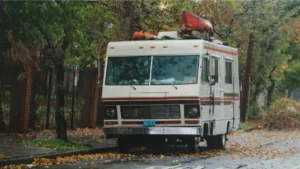
RV ownership comes with the inevitable reality of maintenance and repairs, which can be hefty in terms of cost over time. A major breakdown could potentially set back an RV owner by thousands of dollars, creating a significant dent in their travel budget.
The choice between RV extended warranties and self-funded repairs is a fiscal conundrum that RV owners must navigate. In this article, we delve into the factors that should drive an informed decision, assessing the benefits and potential downsides of each option.
rv extended warranties RV extended warranties act as a safety net, guarding against exorbitant costs associated with unexpected mechanical failures. These service contracts often cover major systems within the RV for a specified period beyond the manufacturer’s warranty. Understanding what’s covered—and just as importantly, what’s not—is key to leveraging this protection effectively.
Costs for extended warranties can vary widely, with several factors influencing the price. The type, age, and condition of your RV, as well as the comprehensiveness of the coverage, play significant roles. Typically, costs can range from a few hundred to several thousand dollars, which for many is a substantial financial commitment.
When considering an extended warranty, it’s essential to compare different plans and providers. Look for a provider with a strong reputation for customer service and claim fulfillment. It’s also wise to read the fine print carefully to understand deductible costs, coverage limits, and exclusions.
Self-funding repairs, often referred to as ‘self-insuring,’ involves setting aside a reserve fund specifically for RV maintenance and unexpected repair costs. This approach requires discipline in savings, but yields a sense of financial control and can be more cost-effective over the long term if major breakdowns are rare.
The self-funded approach boasts flexibility, offering owners the freedom to choose their repair facilities without the restrictions that might come with certain warranty providers. This ensures that you can prioritize quality and trust in your repair work. However, establishing a robust savings reserve will depend on one’s ability to consistently allocate funds for this specific purpose.
Set realistic savings goals based on your RV’s age, model, and condition. A newer RV might need less in reserve initially, while an older model could necessitate a more substantial fund. Also, tracking past repair costs can help forecast future savings requirements.
Risk tolerance is a personal metric and varies from one RV owner to another. It correlates directly with one’s comfort level in facing large, unexpected repair bills. Those with lower risk tolerance may find the predictability of an extended warranty more reassuring, as opposed to the variable costs of self-funded repairs.
Historical data on your specific RV’s repair requirements can also inform your decision. Examining past maintenance records can highlight trends and potential future issues. If your RV has a history of frequent repairs, the upfront investment in an extended warranty might be justified. Conversely, a history of minimal issues could bolster the case for a self-funded reserve.
Analyze your repair history comprehensively, and consider the relative peace of mind each option may bring. Some may prefer the warranty’s blanket coverage to avoid stress related to potential RV malfunctions, while others may value the autonomy associated with self-funding.
Ultimately, the decision between an RV extended warranty and a self-funded repair approach depends on a balance of cost, coverage, flexibility, and personal risk tolerance. While warranties offer predictable costs and potentially broad coverage, they come with a price tag and certain stipulations that may not be appealing to everyone.
Self-insuring, on the other hand, provides financial flexibility and can be more cost-effective in the absence of major repairs. This strategy also allows for a customized savings plan tailored to your RV’s specific needs and your financial capabilities. The crucial factor, however, is maintaining the discipline to build and preserve the repair reserve.
Weigh these considerations carefully, taking into account the anticipated usage of your RV, its current state, and your financial situation. Consulting with financial advisors or experienced RV owners can provide additional perspective to guide your choice. Extended service contract reviews and actual user experiences could also offer invaluable insights into the realities of both options. Additionally, financial planning can play a crucial role in navigating these choices.
Overall, your decision will reflect a combination of careful financial planning and consideration of your lifestyle needs as an RV owner. Both RV extended warranties and self-funded repairs have their merits, but the right choice hinges on a personalized assessment of costs, benefits, and personal preference for risk management. Assess your situation, consider the long-term implications, and choose the option that best assures peace of mind during your travels.